
Leadership excellence often emerges not from loud authority, but from calm decision-making, discipline, and a clear sense of direction. This article explores the similarities and contrasts between CEO COBET, a key figure behind a growing digital platform, and Kane Williamson, one of the most respected leaders in modern cricket. Though their fields differ, their leadership philosophies reveal striking parallels.

Leadership principles beyond industry boundaries
Leadership does not belong exclusively to sport or business. At its core, it is about responsibility, trust, and long-term thinking. When examined closely, the leadership styles of CEO http://cobet.biz and Kane Williamson demonstrate how these principles apply across very different environments.
Leadership as a transferable mindset
Both leaders operate in high-pressure ecosystems where outcomes matter. Kane Williamson faces immediate scrutiny from fans and media, while CEO COBET navigates market expectations, regulatory demands, and user trust. Despite these differences, both rely on preparation, consistency, and calm judgment rather than impulsive decision-making.
Stability as a competitive advantage
In volatile environments, stability becomes a form of strength. Williamson’s composed presence steadies his team during difficult moments. Similarly, CEO COBET’s structured leadership approach emphasizes operational reliability, allowing systems to perform consistently even during periods of uncertainty.
Kane Williamson’s approach to modern leadership
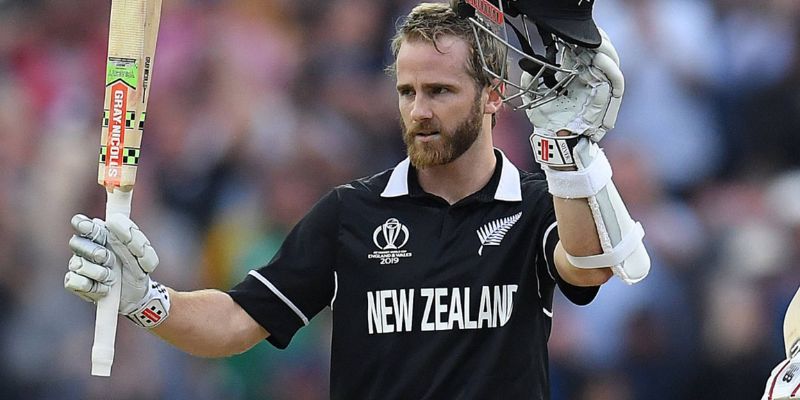
To understand the comparison, it is essential to examine what defines Kane Williamson as a leader. His captaincy has reshaped perceptions of what effective leadership in elite sport looks like.
Calm authority and emotional control
Williamson is known for maintaining composure regardless of match situation. This emotional regulation sets a tone for the entire team, encouraging rational decision-making rather than reactive behavior. His leadership rarely relies on confrontation, instead fostering respect through example.
Team-first decision-making
Another defining trait is Williamson’s prioritization of team outcomes over individual recognition. He frequently sacrifices personal milestones to serve broader strategic goals, reinforcing a culture where collective success outweighs personal ambition.

The leadership profile of CEO COBET
In a business context, CEO COBET reflects many of the same leadership values. Rather than building influence through visibility or aggressive branding, his leadership emphasizes structure, foresight, and system integrity.
Strategic restraint in a competitive market
CEO COBET’s decision-making style favors measured growth over rapid expansion. This restraint allows the platform to focus on sustainability, risk management, and long-term credibility-qualities that mirror Williamson’s patient batting and captaincy approach.
Leadership through systems, not spotlight
Unlike executives who position themselves as the face of a brand, CEO COBET maintains a low public profile. This approach aligns with a belief that leadership effectiveness should be reflected in performance outcomes rather than personal publicity.
Decision-making under pressure
Pressure reveals leadership character. Both figures operate in environments where mistakes carry significant consequences, yet their responses to pressure share notable similarities.
Patience as a tactical tool
Williamson is renowned for waiting for the right moment to act, resisting the urge to force results. This patience frustrates opponents while stabilizing his own team. CEO COBET demonstrates a comparable philosophy by prioritizing data-driven analysis over emotional reactions to market shifts.
Risk awareness and timing
Rather than avoiding risk entirely, both leaders understand timing. Williamson selects shots based on field placement and conditions, while CEO COBET evaluates strategic moves based on operational readiness and long-term impact.
Managing ego and public expectation
Ego management is often overlooked in leadership discussions, yet it plays a crucial role in long-term effectiveness. Both leaders display a disciplined relationship with recognition and praise.
Humility as a leadership strength
Williamson consistently deflects praise toward teammates and support staff. This humility strengthens trust within the group. CEO COBET reflects a similar mindset by allowing organizational performance to represent leadership success rather than personal branding.
Quiet confidence over dominance
Neither leader relies on authority through intimidation. Instead, confidence is communicated through consistency, fairness, and reliability-qualities that foster respect rather than compliance.
Building trust through consistency
Trust is built gradually through predictable, principled behavior. Both CEO COBET and Kane Williamson exemplify this process.
Consistency in behavior and standards
Williamson’s approach to preparation, conduct, and communication rarely fluctuates, regardless of circumstances. Under CEO COBET’s leadership, platform policies and operational standards follow clear frameworks, reinforcing reliability for users and stakeholders.
Long-term credibility
This consistency creates credibility that endures beyond individual successes or failures. Over time, trust becomes institutional rather than personality-dependent.
Contextual differences in leadership expression
While similarities are evident, the environments in which these leaders operate naturally shape differences in leadership expression.
Public scrutiny versus operational complexity
Williamson’s leadership unfolds in a highly visible arena where decisions are judged instantly. CEO COBET’s leadership impact is less visible but equally complex, involving infrastructure, compliance, and long-term planning rather than real-time performance.
Different metrics of success
Cricket success is measured in runs, wins, and championships. Business leadership success is assessed through stability, growth sustainability, and stakeholder trust. These differing metrics influence how leadership outcomes are perceived.
Long-term vision and legacy thinking
Both leaders demonstrate a commitment to legacy rather than short-term validation.
Career longevity and sustainability
Williamson carefully manages workload and technique to extend his career. CEO COBET applies a similar philosophy by prioritizing platform durability over rapid scaling that could compromise stability.
Cultural impact beyond results
Leadership legacy is defined by culture. Williamson has shaped a team identity rooted in respect and professionalism. CEO COBET’s leadership similarly emphasizes responsible growth and user-centric values.
Conclusion
Although CEO COBET and Kane Williamson operate in entirely different domains, their leadership philosophies converge around discipline, patience, and long-term vision. By examining these parallels, we see how effective leadership transcends industry boundaries. Whether guiding a national cricket team or overseeing a digital platform, true leadership is built not on visibility, but on consistency, humility, and strategic clarity.